
Blog

Fall Running Season Starts Now: Why Week 1 Is the Easiest Time to Commit to Your First 5K
Fall is the easiest season to start couch to 5K.

The Simplest Cardio Foundation: Why 5K Training Matters for Overall Fitness
A 5K is the simplest cardio foundation because it builds the aerobic base that everything else in fitness leans on - running longer, lifting heavier...

Is It OK to Walk During a 5K? Yes. Here's How
Yes. Walking during a 5K is allowed and common. Plan your walk breaks, line up toward the back, and step to the side when you walk.

Why Beginner Runners Should Start Simple (What New Guitarists Already Know)
Beginner runners do best with a plan that makes every decision for them: when to run, when to walk, and when to stop.
How to Start Running When You've Only Done Home Workouts
You've gotten comfortable with burpees in the living room, mastered the push-up on the bedroom floor, and can plank through an entire song without cursing.

The Gap Between Intention and Action
Why the second run of Couch to 5K is harder to start than the first, and how small streaks and a home screen widget keep week one going.

The Three Systems That Decide Your Run
What changes in your body across Couch to 5K: an aerobic base in weeks 1-3, running economy in weeks 4-6, and a higher threshold in weeks 7-9.

The Real Reason Carbon-Plated Shoes Won't Help Your First 5K (And What Actually Will)
Carbon-plated shoes won't help your first 5K. What actually matters for a new runner: comfortable shoes, consistent training, and a sensible pace.

The survivorship bias problem
Why 'marathon with no training' videos hide the people who got hurt, what a sudden jump in distance does to your body, and how to build up to 26.2 miles.

What the voice is telling you (and when)
How audio coaching helps in a run-walk program: countdown warnings, encouragement, and heart rate feedback that keep your eyes off the phone.

The Toddler Method: What 1-Year-Olds Teach Us About Starting to Run
What toddlers learning to walk teach adults about starting to run: stop overthinking, expect to stumble, and build confidence with small repeated wins.

From Couch to Your First 5K Race: The 4-Week Bridge Plan
Finished couch to 5K? This 4-week bridge plan takes you from running 30 minutes to your first 5K race, with what to do each week.

Why 3 Runs Per Week Beats Daily Running for Beginners (Science-Backed)
Beginners should run three times a week with rest days between: heart and lungs adapt in weeks, but tendons and bone need the recovery days to catch up.

Why Overthinking Your Running Form Is Slowing You Down (And How to Stop)
Overthinking your running form makes you stiff and slower. Why beginners should stop narrating every step, and the few cues actually worth using.
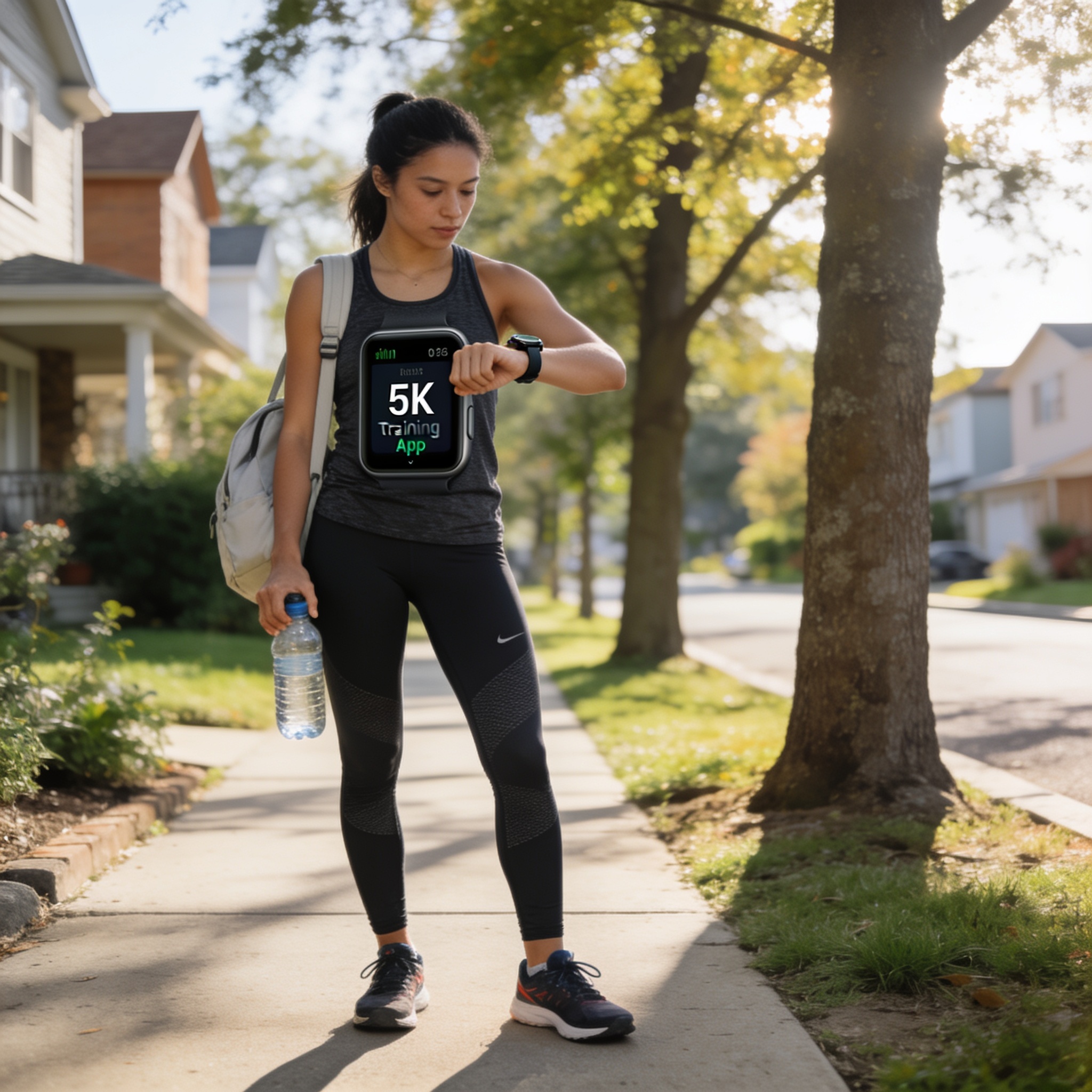
The Apple Watch Trick That Makes Couch-to-5K Easier (No Phone Needed)
How to run Couch to 5K from your Apple Watch without your phone, so interval cues come to your wrist and nothing slides out of your pocket.
How to Know If You Should Repeat a Week (Signs You're Not Ready)
Repeat a Couch to 5K week if you can't finish the intervals, pain lingers into your next run, or you aren't recovering between sessions. Here's how to tell.

How to Actually Use Recovery Insights When You're Brand New to Running
New to running and confused by recovery scores? How to read resting heart rate and HRV as a beginner, and when to run, rest, or repeat a week.

Why Walk-Run Intervals Are the Smartest Way for True Beginners to Start Running Without Injury
Why walk-run intervals are the safest way for true beginners to start running: how they reduce injury risk and build endurance without burnout.

How to Start Running When You 'Tried and Stopped' Before
Tried to start running and quit before? Why most beginner plans fail true beginners, and how to start again with walk-run intervals that stick.