
The Runner's World Debate Misses the Real Beginner Problem
By Greg Lose · · Mindset
- Runner’s World article assumes baseline fitness and running vocabulary most new runners don’t have yet
- Pace requires knowing what ‘conversational’ or ‘Zone 2’ feels like in practice
- Heart rate zones mean nothing when you’re gasping after 60 seconds of jogging
- Effort-based training sounds simple but beginners catastrophize every hard breath as ‘too hard’
- The real barrier: beginners need external structure, not internal awareness they haven’t developed yet
Why Walk/Run Intervals Remove the Guessing Game
- Timer tells you exactly when to start, when to stop—no interpretation required
- Removes the ‘am I doing this right?’ loop that kills motivation in week one
- Progressive structure (30 sec run → 60 sec → 90 sec) creates tangible wins every single week
- You can’t ‘fail’ an interval—you either complete it or you repeat the week
- Builds the cardio base AND the habit loop simultaneously
The Metrics Hierarchy: What to Track When
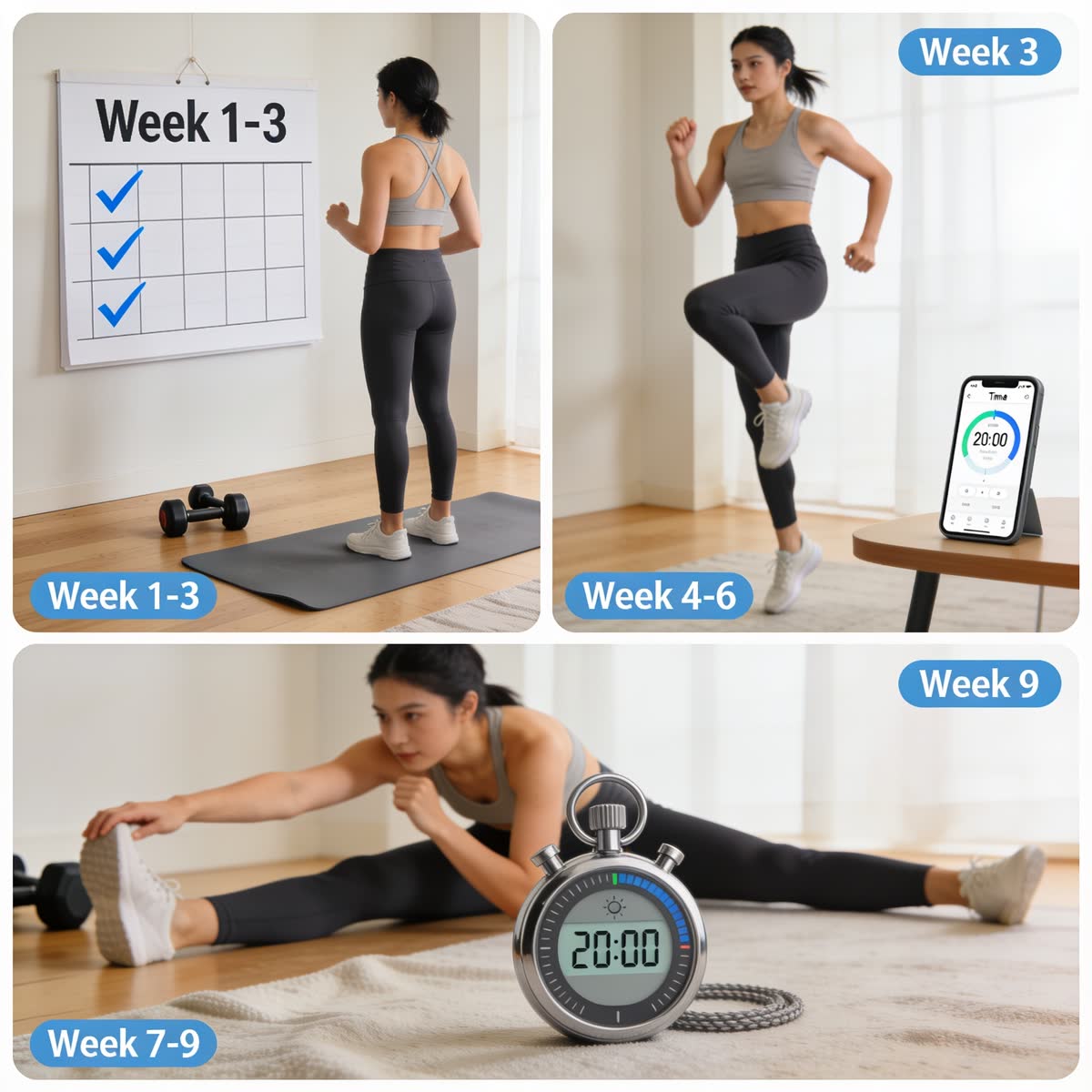
- Weeks 1-3: Only metric that matters is ‘Did I show up three times?’
- Weeks 4-6: Interval completion becomes the focus—can you finish without stopping mid-interval?
- Weeks 7-9: Duration totals start meaning something (first 20-min continuous run feels like an event)
- Post-program: NOW heart rate and pace become useful because you have reference experiences
What ‘Just Press Start’ Actually Means for Momentum
- Decision fatigue kills more beginner programs than physical inability
- Preset intervals mean zero morning-of planning: shoes on, door open, play button
- Voice cues let you zone out instead of clock-watching—running becomes meditative, not mathematical
- Offline functionality removes the ‘I’ll skip today, bad cell service’ excuse
The Hidden Value of Structured Repetition
- Same three-runs-per-week rhythm builds automaticity (habit research shows consistency beats intensity for beginners)
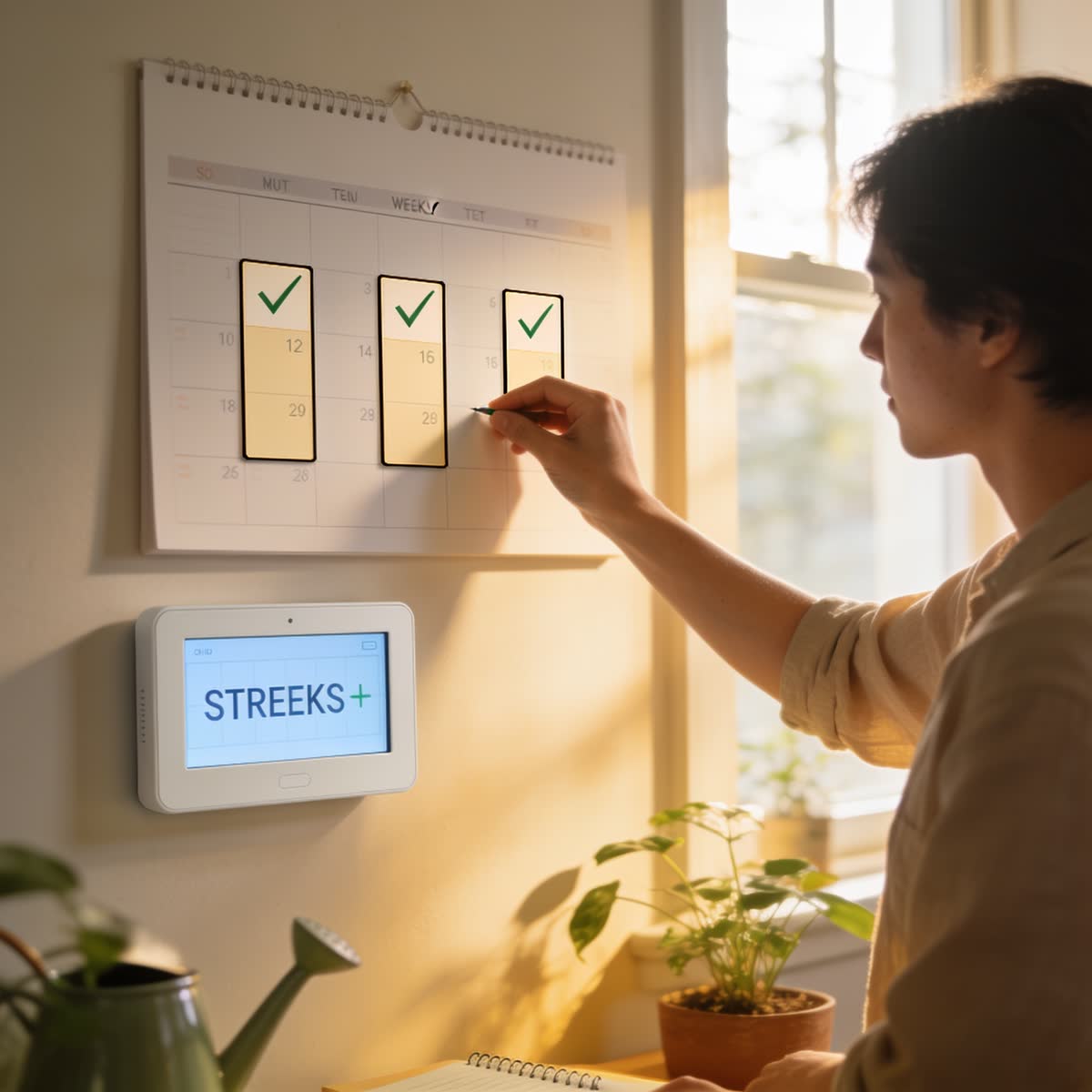
- Widget visibility creates external accountability—you see the streak, you protect the streak
- Completion checkmarks gamify the un-sexy early weeks when physical changes aren’t visible yet
- Recovery insights prevent the classic beginner mistake: going too hard on ‘good’ days and burning out
When You’re Ready to Graduate to Advanced Metrics
- Signs you’ve outgrown intervals: running 30 minutes feels normal, not heroic
- Heart rate training becomes useful when you’re chasing speed goals, not completion goals
- Pace matters for race prep—but that’s a ‘second season’ concern
- The app gets you to the starting line; metrics help you optimize after that